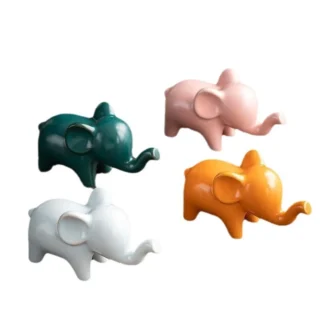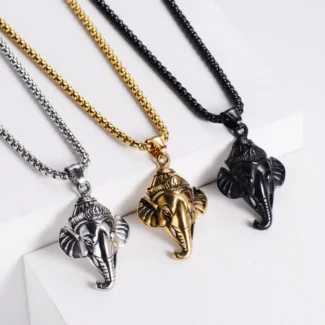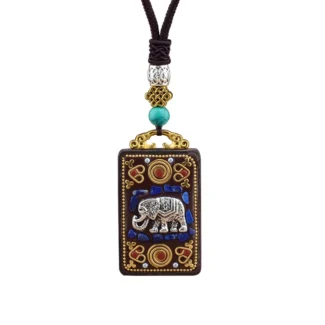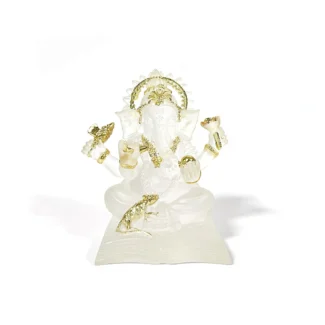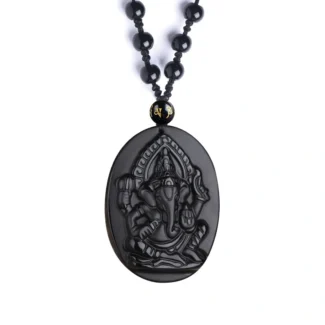



We often see the elephant as a symbol of power and steady strength. Many cultures around the world look at an elephant with its trunk reaching for the sky and see a sign of great luck. This image is more than just a pretty decoration for your home or office. It is a ancient tool used to attract high energy and bright dreams. At Buddha Bodhis, we study how these symbols change our lives every day.
People have loved this symbol for thousands of years in many different lands. It helps us feel connected to something bigger than ourselves. When we see an elephant with a raised trunk, we feel like we can reach our goals too. It reminds us that success is possible if we keep our eyes on the light. In the modern world, this symbol helps us stay focused on what really matters in our fast lives.
Quick Answer: The Elephant Trunk Up symbol signifies the manifestation of success, authority, and the outward showering of accumulated karmic merit upon the world. Rooted in Vedic “Urdhva Retas” and Feng Shui chi flow, it represents the victory of spiritual wisdom over material limitations, acting as a magnet for fame and prosperity.
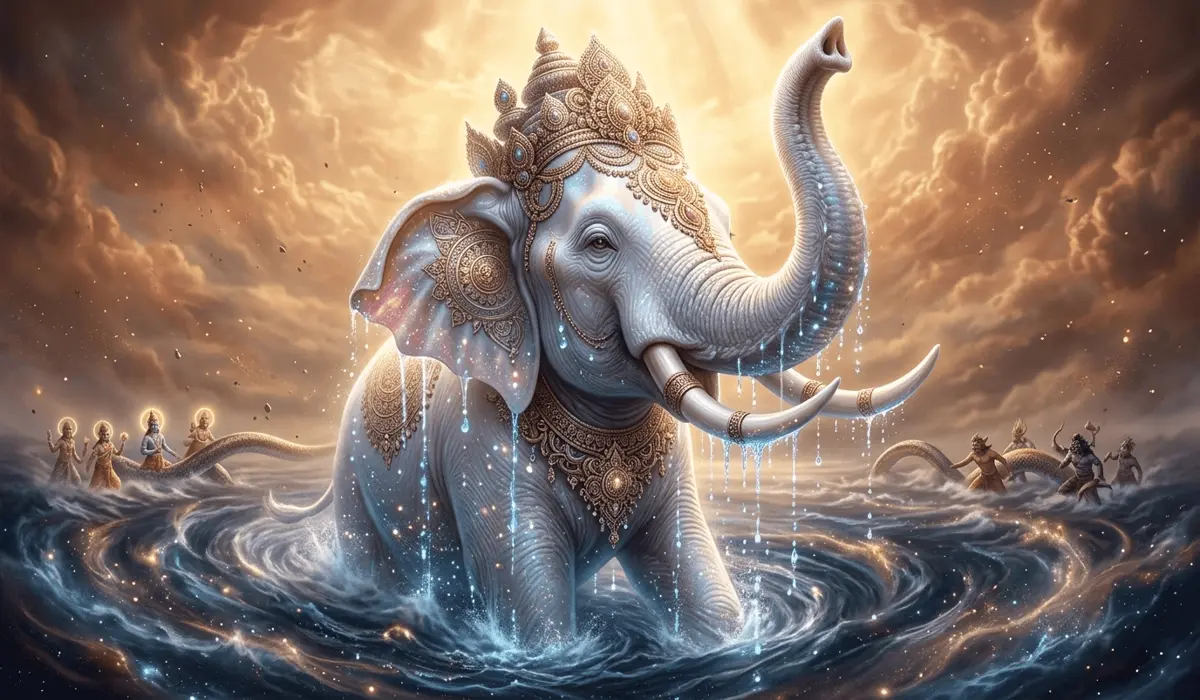
Ancient Origins and Sacred Legends: The Divine Pedigree
The story of the elephant begins in the stars and the deep oceans of old myths. In the Vedic (吠陀) tradition, we find the story of the great white elephant named Airavata. He came out of the sea when the gods and demons stirred the waters to find the juice of life. Airavata has many tusks and is very large and powerful. He carries Indra, the King of the Gods, into every battle and every victory.
Airavata always keeps his trunk raised high toward the golden sky. This shows that he is ready to receive blessings from the heavens. It also shows the royal power that keeps the world in balance. When we use this symbol, we are calling on that same royal energy to help us win our own daily battles. This connection to the gods makes the elephant a very holy animal in many parts of the world.
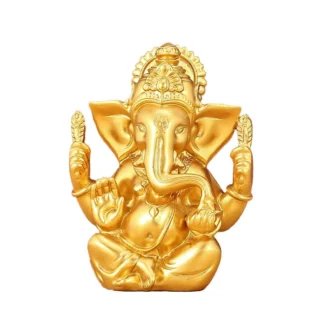
We also look to the lore of Lord Ganesha to understand this symbol better. Ganesha is the god with the head of an elephant who helps people move past hard times. His trunk is often curved in the shape of the Om (唵) vibration, which is the first sound of the world. A raised trunk on Ganesha shows that our minds are waking up to new wisdom. It means we are ready to remove any blocks that stop our career or our peace. Inspired by these timeless traditions, many people wear elephant-inspired jewelry as a daily reminder of wisdom, protection, and good fortune. Explore our carefully selected Elephant Jewelry Collection and discover a meaningful piece to accompany your own journey toward abundance and inner peace.
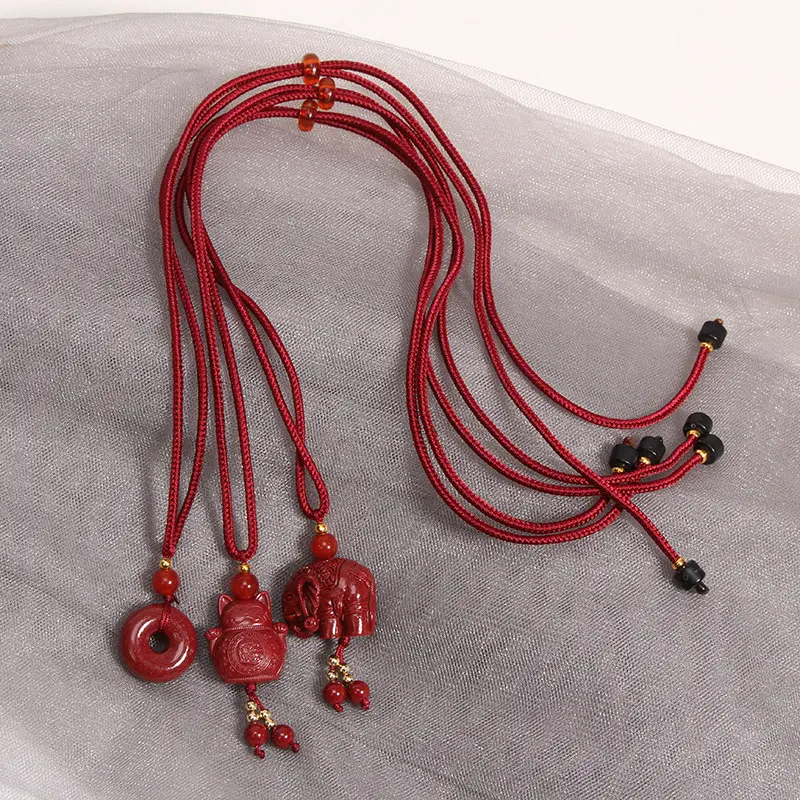
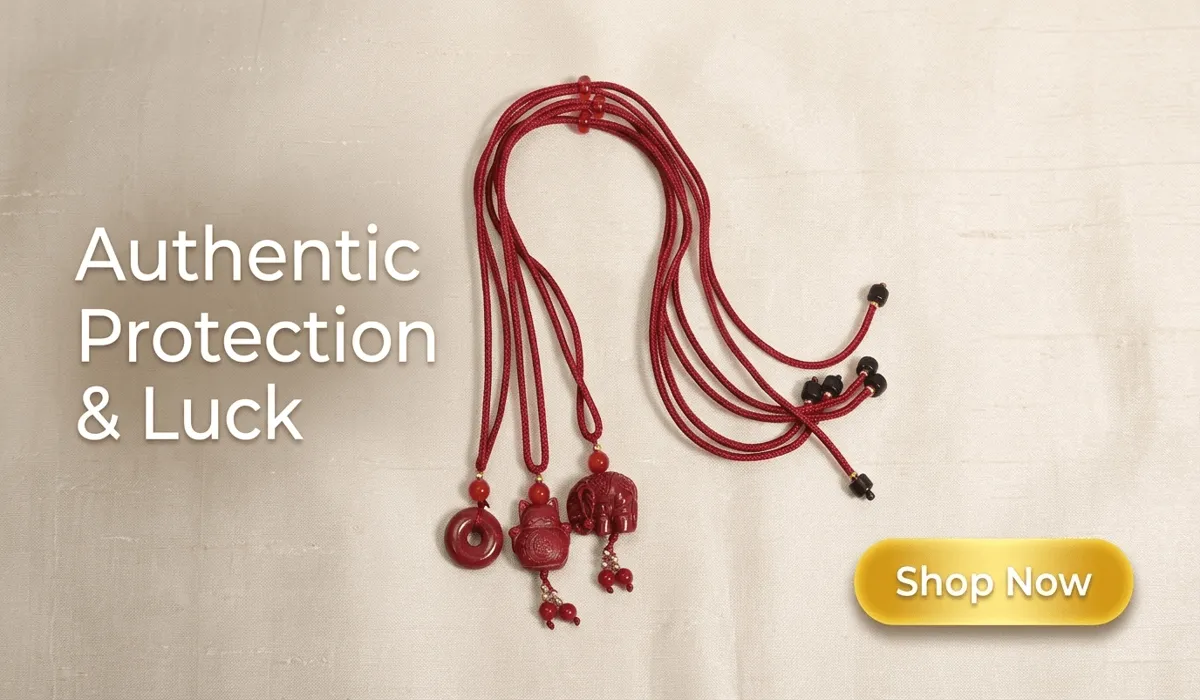
Handcrafted Natural Red Cinnabar Necklace | Safety Buckle, Elephant & Lucky Cat Amulets
A silent guardian for your daily path. Pure energy, worn close to the heart.
The Red Cinnabar Minimalist Amulet Necklace is an effortless spiritual essential for the modern seeker. Hand-carved from high-vibration Natural Cinnabar, this necklace acts as a portable “Yang energy” shield. Whether you choose the Safety Buckle for a smooth life, the Elephant for steadfast strength, or the Lucky Cat to invite prosperity, each piece serves as a magnetic anchor for your Protection & Support.
Suspended on a durable, skin-friendly red silk cord, this design eliminates unnecessary clutter, focusing purely on the mineral’s power to stabilize your Root Chakra. It is a versatile statement of faith that transitions seamlessly from mindful meditation to your professional wardrobe.
Decoding the Totems: Which Cinnabar Amulet aligns with your current vibration?
- 🛡️ Stone: High-Content Natural Purple-Gold Cinnabar
- 🎨 Choices: Safety Buckle (Peace), Elephant (Power), Lucky Cat (Luck)
- 🧵 Cord: Adjustable Premium Red Silk Cord
- ✋ Tactile: Hefts with a comforting, mineral density
The Role of Theravada Buddhism
In Theravada Buddhism, the white elephant is a sign of a great soul and a strong heart. It represents someone who is calm and has a lot of self-control. Long ago, kings would keep white elephants to show that their land was safe and happy. The trunk pointing up means that the king and the people are following the right path. This path leads to a life that is full of meaning and good social standing.
Video source:YouTube
Author:Daily Life
Original video link:https://www.youtube.com/watch?v=JrPREvXxPGo
Feng Shui and the Flow of Chi
Feng Shui (风水) teaches us how to move Chi (气) in our homes to get what we want. The elephant is like a mountain that never moves, which gives us a solid foundation. In Chinese Taoism, the elephant helps us find a balance between the earth and the sky. When the trunk is up, it pulls in good luck from the air and spreads it around the room. This makes it a great symbol for anyone who wants to grow their business or get a promotion.
The Hidden Philosophy: Decoding the Upward Trunk
There is a deep secret behind why the trunk points up instead of down. In ancient Sanskrit, there is a word called Urdhva Retas, which means energy moving upward. It is like a fountain of light that starts at the bottom of our spine and goes to the top of our head. The elephant trunk up is a physical way to show this energy flow. It shows that we are turning our basic needs into higher wisdom and big success.
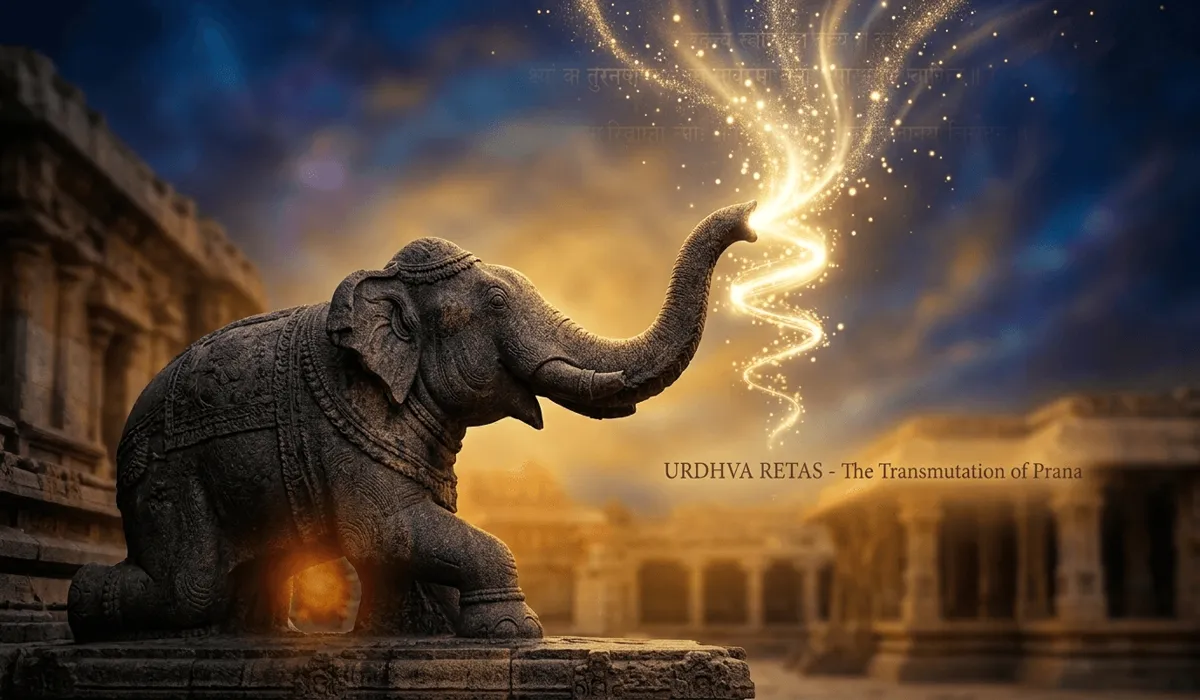
This upward movement is also about winning over our own ego. Sometimes we get stuck wanting things just for ourselves. The trunk up symbol tells us to look higher and think about how we can help the world. When we help others, the universe showers us with even more gifts. This is why many people think of the raised trunk as a shower of gold and happiness. It is a constant reminder to stay positive and keep growing every day.
We can also see a link between the elephant and our Solar Plexus (太阳神经丛). This is the energy center in our body that gives us confidence and willpower. When this center is strong, we feel brave enough to chase fame and success. The elephant with its trunk up acts like a battery for this energy. It keeps our inner fire burning bright so we never give up on our big dreams or our special goals.
Visual Components and Symbolic Geometry
Look at the shape of an elephant statue with its trunk up. The heavy feet are planted firmly on the ground, which keeps us stable. The trunk reaches for the stars, which keeps us hopeful. This creates a perfect bridge between the real world and the spirit world. It tells us that we can be successful in business while also being a kind and good person. This balance is the key to lasting fame and real happiness in life.
The trunk tip is often seen as a small door for Prana (气), the life force. As the elephant breathes in this force, it grows stronger and more radiant. By having this symbol near you, you are inviting that same life force into your own space. It is like having a lucky charm that never stops working for you. Many people find that their mood improves just by looking at this majestic animal every morning.
Cultural Evolution: Global Perspectives on the Elephant Trunk Up
In the East, the elephant is a bearer of royal glory and duty, or Dharma (法). It is not just about getting rich; it is about doing the right thing for your family and your town. In the Bagua (八卦) map used in Feng Shui, the elephant helps the “Fame and Reputation” area. This is usually the South part of your home. Putting an elephant here can help more people notice your hard work and give you the credit you deserve.
In the West, people see the elephant as a symbol of resilience and memory. We have all heard the saying that “an elephant never forgets.” For a modern worker, this means keeping your skills sharp and remembering your roots. The trunk up symbol has become very popular for new business owners in America and Europe. They use it to show they have the strength to stay in the market for a long time. It is a sign of a brand that people can trust and respect.
| Culture / Tradition | Primary Meaning | Symbolic Action |
|---|---|---|
| Vedic (Hinduism) | Royal Authority & Victory | Carrying gods to battle |
| Feng Shui | Chi Flow & Fame | Placing in the South sector |
| Buddhism | Mental Strength & Peace | Signifying the Great Being |
| Modern West | Resilience & Branding | Amulets for entrepreneurs |
Even in the digital age, we still need these old symbols to keep us grounded. When we spend all day on our phones or computers, we can feel lost. The heavy weight of the elephant symbol helps us feel like we are still part of the earth. The upward trunk reminds us to look up from our screens once in a while. It helps us stay connected to the real world and our big life purpose beyond the internet.
Wearing the Amulet: Why Elephant Trunk Up Jewelry Matters Today
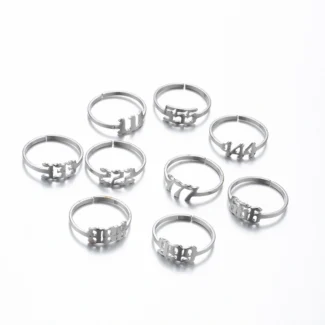
Many people now choose to wear the elephant symbol as a necklace or a ring. This lets them carry the lucky energy with them wherever they go. In the year 2026, we expect to see more people using these symbols to find balance. Wearing an Ganesh Elephant Jewelry Picks can be a great way to start your day with a clear goal. It acts as a small anchor for your mind so you do not get distracted by small problems.
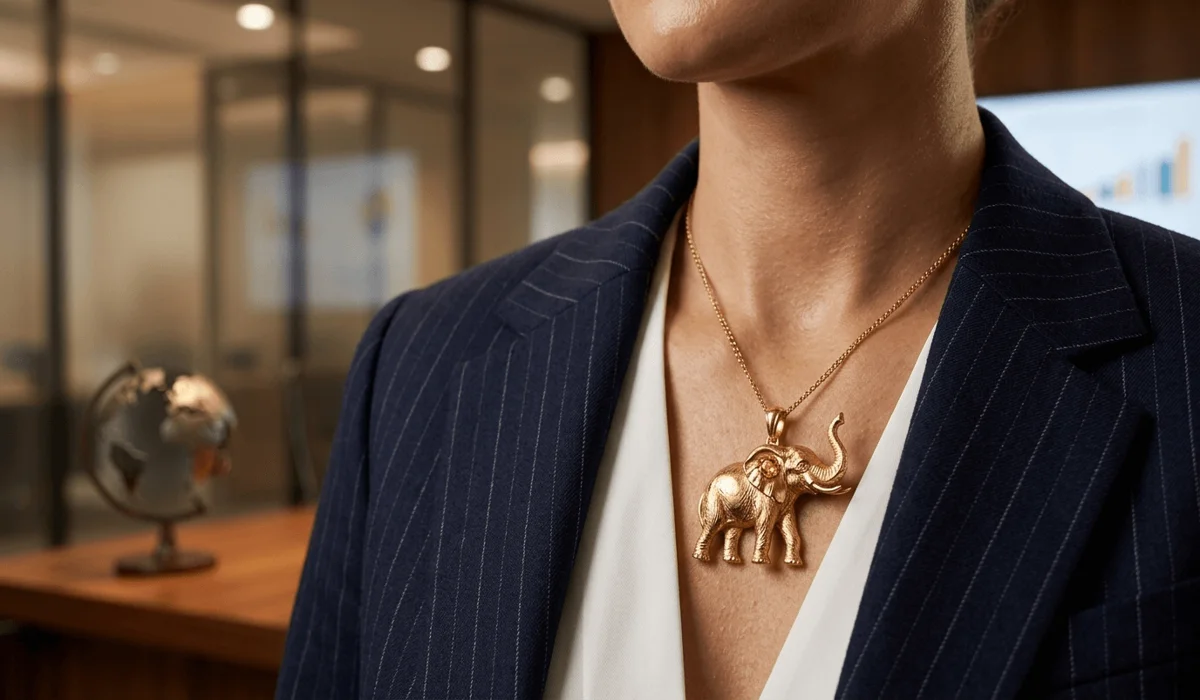
Jewelry is very powerful because it touches our skin and stays in our personal space. When you wear a gold elephant, you are telling yourself that you are valuable and strong. This changes how you walk into a room and how you talk to other people. Others will start to see you as a leader or someone who knows what they are doing. This is how the symbol helps you manifest fame and better job offers in your daily life.
It also helps protect us from the stress of social media and constant news. We call this “digital burnout,” and it can make us feel very tired and sad. The elephant is a protective guardian that keeps our energy safe from negative people. By wearing the trunk up symbol, you are keeping your own energy high and bright. You become like a light that shines through the dark, which naturally draws good things toward you. You can check out more in the Feng Shui Elephant Guides to learn about different types of protection.
Ritual and Practice: How to Meditate with the Elephant Trunk Up
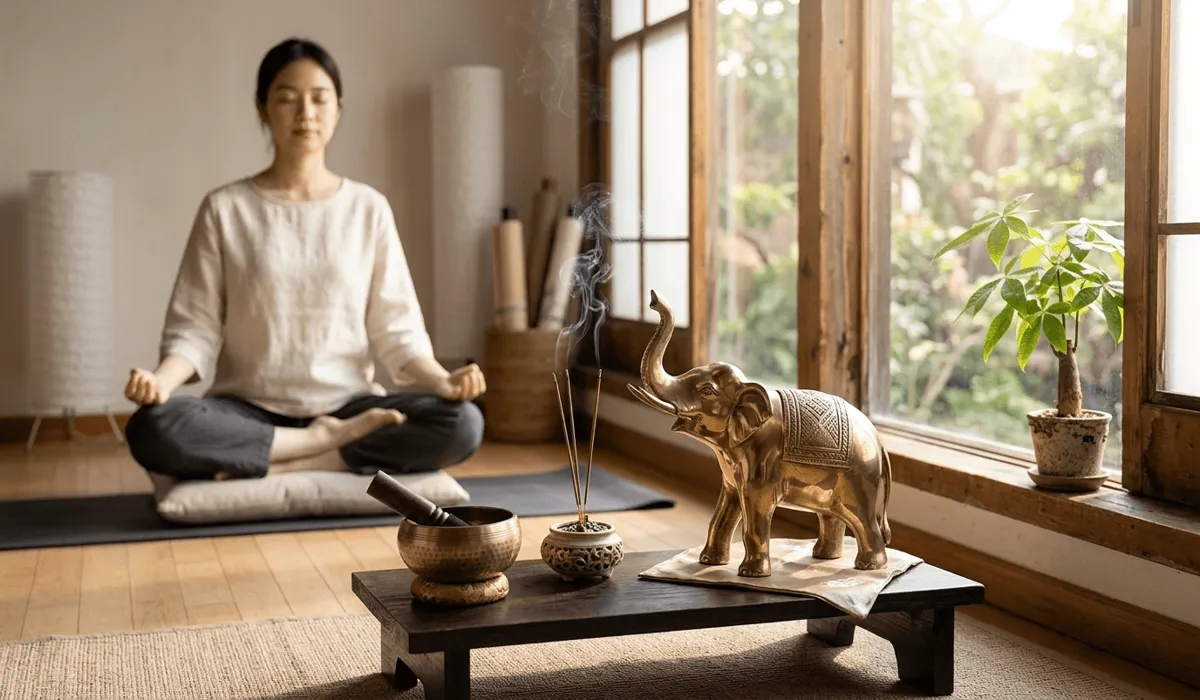
You can do more than just look at the symbol; you can use it in your meditation. Find a quiet spot and place your elephant statue in front of you. Close your eyes and breathe slowly, feeling your body relax. Imagine a bright light starting at your feet and moving up to the top of your head. This is the same energy that the elephant is showing with its trunk.
Visualizing a “Merit Shower” is another great way to use this symbol. Imagine the elephant is spraying a shower of golden stars all over you. Each star is a bit of success, a new friend, or a good idea for your work. Feel the warmth of these stars as they touch your skin. This practice helps your brain get ready for good things to happen. It makes you more likely to see opportunities when they show up in real life.
You can also “program” your jewelry or statue with a specific wish. Hold the item in your hand and think about one goal you want to reach. It could be getting a new job or finishing a big project at school. Say the goal out loud or in your head while looking at the trunk. Now, every time you see the elephant, it will remind you of that goal. This is a simple but strong way to keep your mind focused on success.
Actionable Ritual Steps:
- Morning Gratitude: Touch your elephant symbol and say one thing you are thankful for to start the Chi flow.
- Goal Writing: Place a small piece of paper with your dream under the elephant statue.
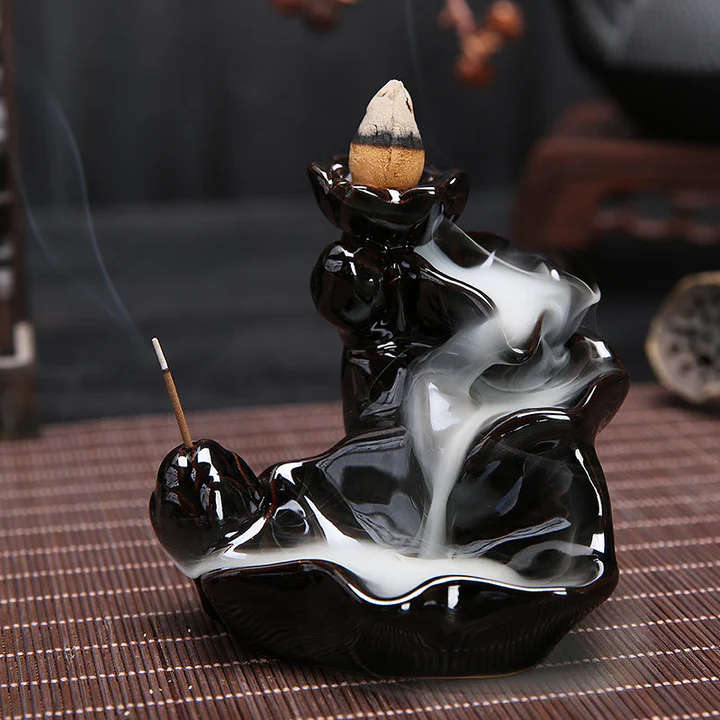
- Energy Cleaning: Use incense smoke once a month to keep the elephant’s spirit fresh and strong.
- Facing the Light: Place your elephant near a window so the trunk can “catch” the morning sun.
Cultural Etiquette and Taboos: Respectful Integration
It is important to treat these symbols with a lot of respect because they are sacred to many. One big rule is to never put an elephant statue on the floor. In many cultures, the floor is seen as a place that is not clean for holy things. Instead, put it on a high shelf or a clean table. This shows that you value the energy the elephant brings into your home.
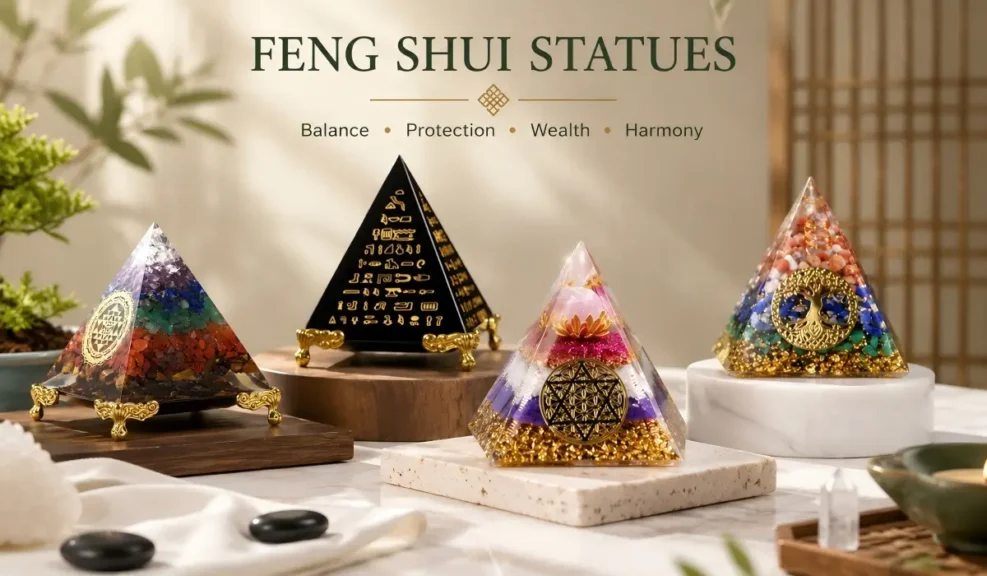
The direction the elephant faces is also something to think about. If you want to grow your career, many suggest facing the elephant toward the North. This is the area for water and career growth in Vastu Shastra, which is an old Indian system. If you want more wisdom and spiritual peace, facing it East is a good choice. This is the direction of the rising sun and new beginnings. You can learn more about these rules in our Career Success Office Guide for the coming years. Bringing these ancient placement traditions into your home begins with choosing meaningful spiritual décor. Explore our Feng Shui Statues Collection, featuring symbolic figures designed to inspire protection, prosperity, wisdom, and positive energy in every space.
When you use a Ganesha statue, the rules are even more specific. Ganesha is a god, not just a symbol, so he should have his own special place. Do not put him in a bathroom or a laundry room. Keep the area around him very tidy and maybe offer a small flower or some sweet fruit once in a while. This keeps the connection between you and the divine energy very strong and happy. For more historical facts, you can visit the Online Cultural Encyclopedia to see how different eras treated these icons.
Frequently Asked Questions
Q: How does the Elephant Trunk Up specifically activate the Fame and Reputation sector in Feng Shui?
A: In Feng Shui, the South sector of your home or office represents your fame. By placing an elephant with its trunk up here, you invite the fire element to shine on you. The upward trunk acts like a chimney that draws in positive attention and respect from the public.
Q: Why is a raised elephant trunk considered a victory over the selfish ego?
A: A raised trunk represents the sublimation of lower energies into higher consciousness. Instead of keeping all the energy for physical needs, it reaches up toward spiritual growth. This shows that the person has moved past greedy desires to find a more meaningful type of success.
Q: What is the difference between a trunk up and a trunk down elephant in professional settings?
A: A trunk up elephant is for active manifestation and outward growth, making it perfect for sales or getting famous. A trunk down elephant is for grounding, long-term stability, and keeping knowledge safe. If you want to start a new project, go with the trunk up; if you want to protect what you already have, use the trunk down.
Q: How can wearing elephant jewelry influence one’s public perception and fame in 2026?
A: Symbols work on a subconscious level for both the wearer and the viewer. When you wear a high-quality elephant piece, it signals that you are someone with wisdom and steady power. This builds trust and makes you stand out in a crowded digital world where everyone is trying to be noticed.
Q: What stones should be paired with elephant symbols to amplify fame and recognition?
A: Citrine is the best stone for success and wealth because of its sunny energy. Tiger’s Eye is great for courage and standing your ground in business. Lapis Lazuli can be added if you want to be seen as a wise leader who speaks the truth with clarity.
Conclusion: Integrating the Wisdom of the Elephant Trunk Up
The elephant with its trunk up is a powerful friend for anyone who wants to do big things. From the ancient sea myths of Airavata to the modern desks of top bosses, this symbol stays strong. It tells us that we can reach for the stars while staying connected to the earth. By understanding its deep meaning, we can use it to bring more success and fame into our lives. We invite you to explore the world of symbols with us and find the perfect match for your journey.
Whether you choose a statue for your home or a piece of jewelry for your neck, remember the message of the elephant. Keep your energy moving up and stay kind to the world around you. This is the real secret to lasting prosperity and true joy. For more tips on living a balanced life, you can read the World Feng Shui Insights or visit the Feng Shui Society website for professional advice.
The information provided in this article is for cultural and educational purposes only. It does not constitute medical, legal, financial, or other professional advice. Readers should consult with a qualified professional before making any significant life changes or financial investments based on symbolic practices.
Written by the Buddha Bodhis Team
Since 2020, we have been devoted to exploring traditional year-based wisdom, classical Feng Shui principles, and the rich spiritual symbolism rooted in Eastern cultural heritage. Our work bridges ancient metaphysical systems with modern life, interpreting annual cycles, elemental energies, and symbolic meanings to offer thoughtful insight and practical guidance. Through continuous research and practice, we aim to preserve traditional knowledge while making it accessible, relevant, and meaningful for contemporary seekers of balance, intention, and personal growth.TikTok | YouTube | Pinterest | X
buddhabodhis@gmail.com